
Products
PRODUCT CATEGORY
CONTACT US
Phone : +86 15662720863
WhatsApp : +86 15662720863
E-mail : info@tanggangmetal.com
GET A QUOTE
RECOMMEND
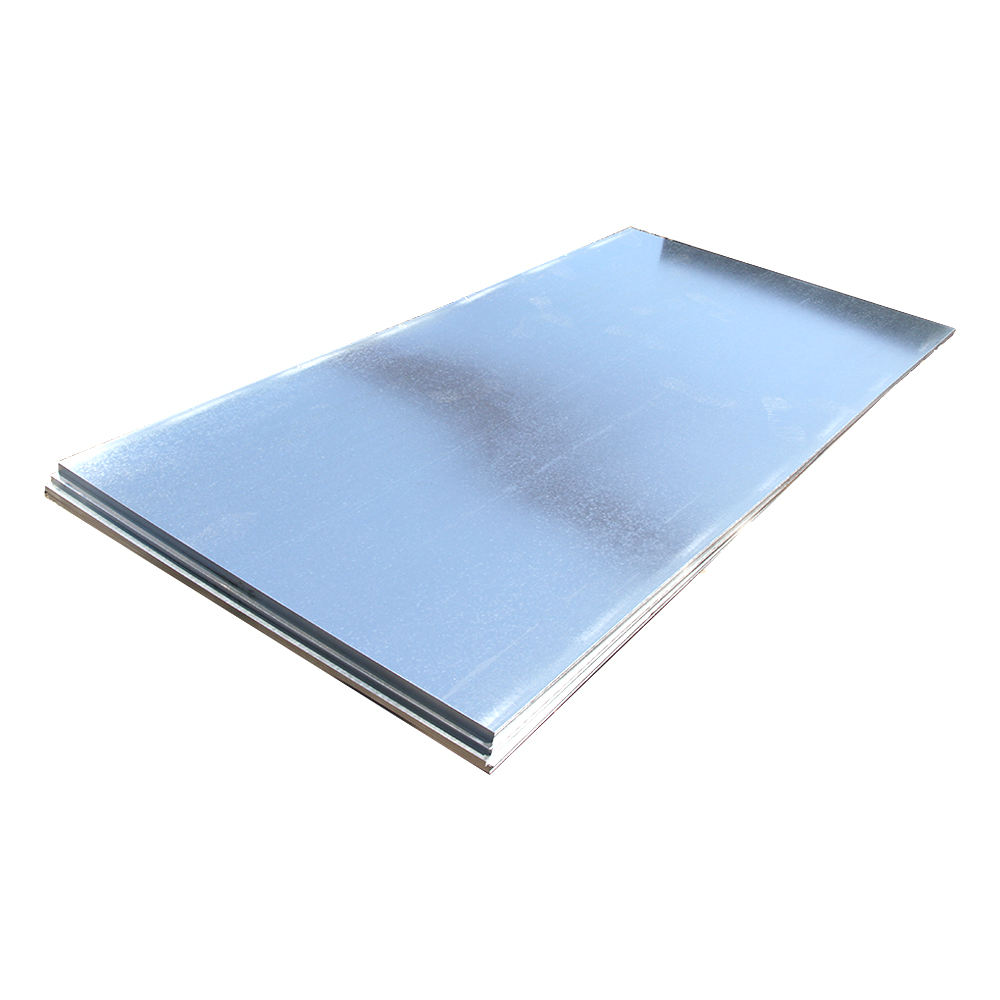
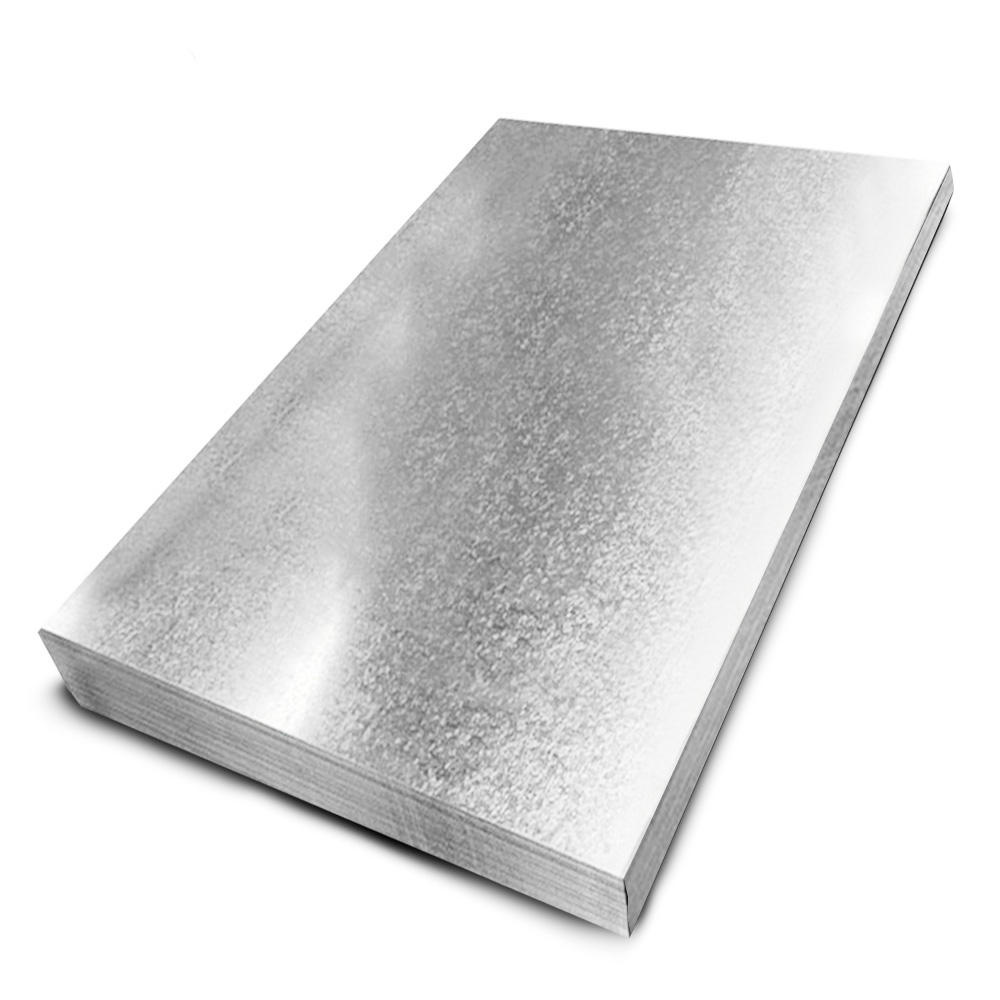
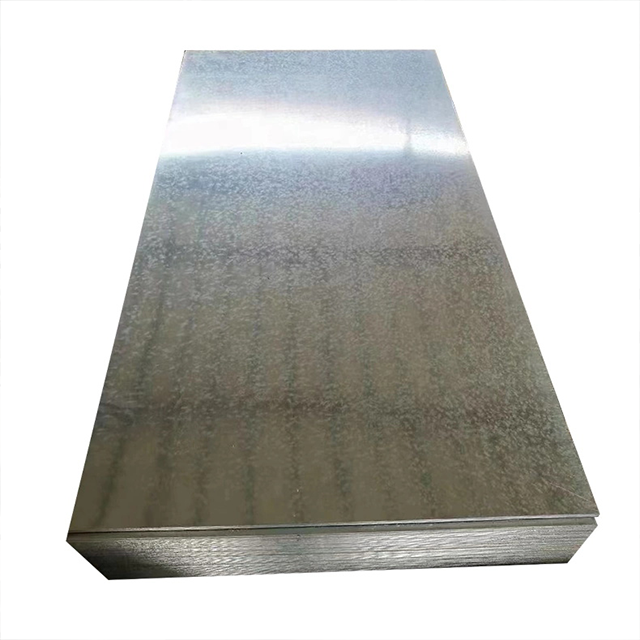
 Stainless Steel 1Cr17Mn6Ni5N S35350 12Cr17Mn6Ni5N Stainless Steel Coil12Cr17Mn6Ni5N is a chromium-manganese-nickel (Cr-Mn-Ni) austenitic stainless steel. It is part of a family of grades developed to reduce nickel content (and thus cost) while maintaining the formability and corrosion resistance of traditional austenitic steels like 304.
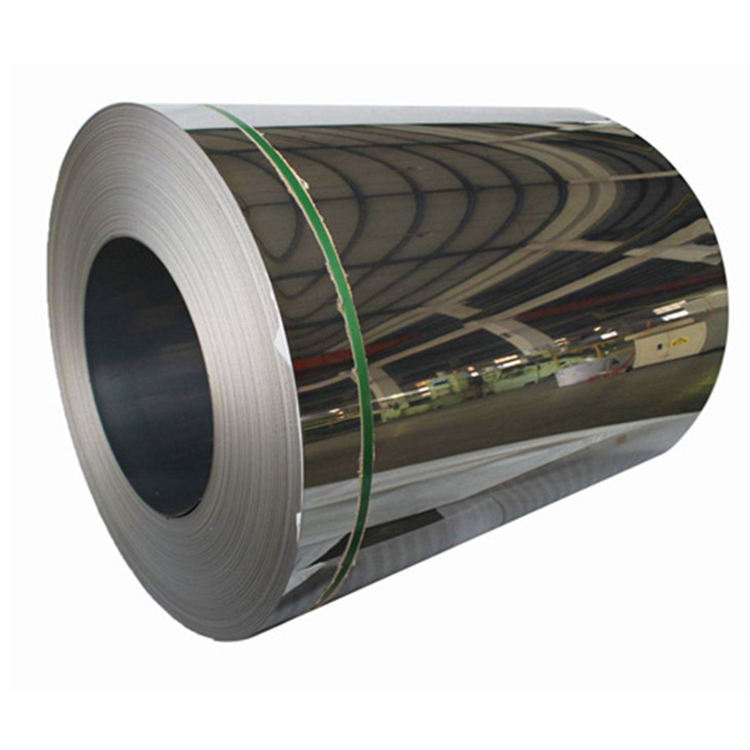
AISI 201 (Its UNS number is S20100). While not a perfect 1:1 match, 12Cr17Mn6Ni5N is the Chinese equivalent of the standard AISI 201 grade.VIEW PRODUCTS- Cold Rolled SS 304 Sheet/Plate/Coil/Strip Bending WeldingA Cold Rolled SS 304 Coil is a continuous strip of Austenitic Stainless Steel, specifically grade 304, that has been processed through a cold reduction mill at room temperature. This process hardens the steel and gives it superior surface finish, dimensional accuracy, and mechanical properties compared to hot-rolled coil.
Key Designations:
AISI: 304
UNS: S30400
EN / Euronorm: 1.4301
Common Names: 18/8 Stainless Steel (18% Chromium, 8% Nickel)
Chinese Standard (GB/T): 06Cr19Ni10 (New), 0Cr18Ni9 (Old)VIEW PRODUCTS  AISI ASTM SUS JIS 410 201 304 430 316L J3 8k 2B No.4 10mm Stainless Steel Sheet Strip Coils430 stainless steel is a basic ferritic, non-hardenable stainless steel. It is the most common and general-purpose grade of the ferritic family. Its primary advantage is its value, offering good corrosion resistance for a wide range of applications at a lower cost than nickel-containing austenitic grades like 304.VIEW PRODUCTS
- Stainless Steel 1Cr17Mn6Ni5N S35350 12Cr17Mn6Ni5N Stainless Steel Coil12Cr17Mn6Ni5N is a chromium-manganese-nickel (Cr-Mn-Ni) austenitic stainless steel. It is part of a family of grades developed to reduce nickel content (and thus cost) while maintaining the formability and corrosion resistance of traditional austenitic steels like 304.
AISI 201 (Its UNS number is S20100). While not a perfect 1:1 match, 12Cr17Mn6Ni5N is the Chinese equivalent of the standard AISI 201 grade.VIEW PRODUCTS  2507 Stainless Steel Coil Price2507 stainless steel is a super-duplex stainless steel. This means it has a microstructure that is approximately a 50/50 mix of austenitic and ferritic phases, combining the best properties of both. The "super" designation indicates it has significantly higher corrosion resistance, especially to chloride pitting and stress corrosion cracking, than standard duplex grades like 2205.VIEW PRODUCTS
- 316 304 Stainless Steel Coil 0.4mm,1mm, 3mm304 Stainless Steel
Mainly composed of a chromium-nickel alloy (Cr ≥ 18%, Ni ≥ 8%), it is non-magnetic or weakly magnetic, with strong corrosion resistance, making it suitable for applications such as food processing equipment and architectural decoration.
316 Stainless Steel
Contains a higher nickel content (Ni ≥ 10%), offering even better corrosion resistance, making it particularly suitable for corrosive environments such as marine and chemical industries.
201 Stainless Steel
This is a low-nickel, high-manganese type (Mn partially replaces nickel). While relatively low in cost, it offers weaker corrosion resistance and is primarily used in dry environments such as architectural decoration and kitchenware.
Material Characteristics
Corrosion Resistance: This is primarily due to the formation of a chromium passivation film on the surface, with significant variations in corrosion resistance between different materials (e.g., 316 is superior to 304).
Processing Characteristics: Cold-rolled coils can be as thin as 0.02mm, while hot-rolled coils can reach thicknesses exceeding 10mm, allowing for further processing such as slitting and stamping.VIEW PRODUCTS

{item.title}
{item.description}
VIEW PRODUCTS